Buy Vicodin Online
Showing all 2 results
-
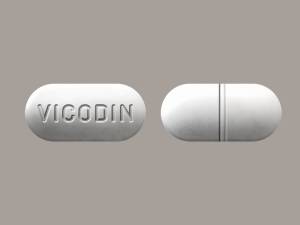
Vicodin 5/500mg
$363.00Select options This product has multiple variants. The options may be chosen on the product page -
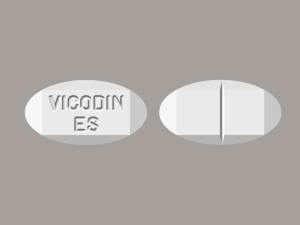
Vicodin 7.5/750mg
$371.00Select options This product has multiple variants. The options may be chosen on the product page
About Vicodin:
Vicodin is a prescription pain medicine that combines hydrocodone and acetaminophen. Hydrocodone is an opioid analgesic that acts on the central nervous system, while acetaminophen helps provide additional pain-relieving and fever-reducing effects. This combination may be prescribed when other pain-management options are not sufficient.
Because Vicodin contains an opioid, it carries important risks, including misuse, addiction, overdose, and potentially dangerous breathing problems. It should only be used exactly as prescribed by a qualified healthcare professional.
At Trustmednow, we believe that reliable medication information is an important part of making informed healthcare decisions. The information below is intended for educational purposes and is not a substitute for professional medical advice.
How Does Vicodin Work?
Vicodin contains two active ingredients that contribute to pain relief in different ways.
Hydrocodone and Pain Signaling
Hydrocodone works by attaching to opioid receptors in the brain and spinal cord. These receptors are involved in the way the body processes and responds to pain signals. By activating them, hydrocodone can change the perception of pain.
In addition to pain relief, opioid medicines may also cause effects such as sleepiness, slowed reactions, and sedation. These effects can become dangerous when the medicine is misused or combined with other substances that depress the central nervous system.
The Role of Acetaminophen
Acetaminophen contributes additional pain-relieving effects through a different mechanism. It is commonly included in combination pain medicines and may also help reduce fever.
However, taking too much acetaminophen can cause serious liver damage. It is important to check all medicines being taken to avoid accidentally combining multiple products that contain acetaminophen.
Key Points About Vicodin
- Vicodin is a prescription medication used for pain management in appropriate patients.
- It contains hydrocodone, an opioid with a risk of misuse and dependence.
- Acetaminophen adds pain-relieving effects but can cause severe liver injury when excessive amounts are taken.
- The medicine should be taken only according to the directions provided by a healthcare professional.
- Never share opioid medication with another person.
Possible Side Effects of Vicodin
Like other medicines, Vicodin can cause side effects. Some may be mild, while others require immediate medical attention.
Common Side Effects
Some people may experience:
- Drowsiness
- Dizziness
- Constipation
- Nausea or vomiting
- Dry mouth
- Headache
- Blurred vision
- Tiredness
These effects can affect alertness and coordination. Avoid driving, operating machinery, or performing hazardous activities until you know how the medication affects you.
Serious Side Effects
Seek emergency medical attention if symptoms suggest a serious reaction or overdose. Warning signs may include:
- Slow, shallow, or difficult breathing
- Extreme sleepiness or inability to stay awake
- Loss of consciousness
- Severe confusion
- Swelling of the face, lips, tongue, or throat
- Severe skin reactions
- Yellowing of the skin or eyes
- Severe abdominal pain
These symptoms may indicate a medical emergency.
Recognizing a Possible Opioid Overdose
An opioid overdose can be life-threatening. Emergency warning signs may include:
- Very slow or irregular breathing
- Unresponsiveness
- Extreme drowsiness
- Pale, cold, or clammy skin
- Blue or gray discoloration of the lips or fingertips
- Pinpoint pupils
- Loss of consciousness
If an overdose is suspected, seek emergency medical assistance immediately.
Important Safety Warnings
Vicodin should never be taken in larger amounts or more frequently than prescribed. Increasing the dose without medical guidance can significantly increase the risk of overdose and other serious complications.
Hydrocodone can cause physical dependence and may lead to opioid use disorder. The risk may increase with prolonged use, higher doses, or use outside prescribed directions.
Acetaminophen also requires careful attention. Taking more than the recommended amount, especially when combined with other acetaminophen-containing products, can cause severe or potentially fatal liver injury.
Always tell your healthcare provider about all medicines, supplements, and substances you use.
Who May Need Additional Medical Evaluation?
Vicodin may not be appropriate for everyone. A healthcare professional should review your medical history, especially if you have or have had:
- Breathing disorders
- Severe asthma
- Sleep apnea
- Liver disease
- Kidney problems
- Seizure disorders
- Head injuries
- Alcohol or substance-use problems
- Mental health concerns
- Problems with the pancreas or gallbladder
Pregnancy and breastfeeding should also be discussed with a qualified healthcare professional before using opioid-containing medication.
Drug and Substance Interactions
Vicodin can interact with other medicines and substances. Some combinations can increase sedation or dangerously suppress breathing.
Particular caution is necessary with:
- Other opioid medicines
- Benzodiazepines and certain anxiety medicines
- Sleeping medications
- Alcohol
- Muscle relaxants
- Certain antihistamines
- Other medicines that cause drowsiness
Never assume that two medicines are safe to combine simply because they are prescribed or available separately. A healthcare professional or pharmacist should review possible interactions.
Dosing and Administration
The appropriate dose of Vicodin depends on several factors, including the specific product, the amount of each active ingredient, the severity of pain, age, overall health, and other medicines being taken.
For this reason, there is no single dose that is appropriate for everyone.
Take Vicodin exactly as directed on your prescription label. Do not:
- Take extra tablets to increase pain relief
- Take doses closer together than prescribed
- Use the medication longer than directed without medical advice
- Combine it with alcohol or sedating substances unless specifically approved by your healthcare provider
- Share your medication with another person
If you miss a dose, follow the instructions provided by your prescriber or pharmacist. Do not take an extra dose to compensate unless you have been specifically instructed to do so.
Identifying Vicodin Tablets
Tablet appearance can vary depending on the manufacturer, strength, formulation, and market. Color, shape, imprint, and markings should not be used as the only method of determining whether a medicine is genuine or appropriate for you.
If you need help identifying a medication, consult a pharmacist or qualified healthcare professional. Keep medicines in their original labeled containers whenever possible.
Understanding Dependence, Tolerance, and Misuse
Repeated use of an opioid may lead to physical dependence. This does not necessarily mean that every patient has an addiction, but it does mean the body may adapt to the medication over time.
Tolerance can also develop, meaning the same amount of medicine may not produce the same effect. Increasing the dose independently can be dangerous.
Possible signs of problematic opioid use can include:
- Taking more medication than prescribed
- Using the medication for reasons other than pain management
- Repeated unsuccessful attempts to reduce use
- Experiencing strong cravings
- Continuing use despite harmful consequences
If you are concerned about your use of Vicodin or another opioid, speak with a healthcare professional. Help and treatment options are available.
Stopping Vicodin
If Vicodin has been used regularly, stopping suddenly may lead to withdrawal symptoms. Depending on the circumstances, a healthcare professional may recommend a gradual reduction rather than abrupt discontinuation.
Possible withdrawal symptoms can include:
- Restlessness
- Anxiety
- Sweating
- Muscle aches
- Sleep difficulties
- Nausea
- Diarrhea
- Tremors
Do not change or stop a prescribed opioid treatment plan without consulting the healthcare professional responsible for your care.
Active Ingredients
Vicodin contains two primary active ingredients:
- Hydrocodone bitartrate
- Acetaminophen
Inactive ingredients may vary between manufacturers and formulations. Patients with allergies or sensitivities should review the product information and consult a pharmacist or healthcare professional when necessary.
The Main Takeaway
Vicodin is a prescription combination pain medicine containing hydrocodone and acetaminophen. It may be used for pain management when determined appropriate by a qualified healthcare professional, but it also carries significant safety considerations.
The opioid component can cause sedation, dependence, misuse, overdose, and dangerous breathing problems. The acetaminophen component can cause serious liver damage when excessive amounts are taken.
Using the medicine exactly as prescribed, avoiding dangerous drug combinations, and discussing your complete medical history with a healthcare professional are important steps toward safer medication use.
Trustmednow encourages patients to make informed decisions and to seek professional medical guidance regarding prescription medications, pain management, possible side effects, and treatment options.
Frequently Asked Questions About Vicodin
How should Vicodin be taken?
Vicodin should be taken exactly according to the instructions provided by the prescribing healthcare professional. Do not increase the amount, frequency, or duration of use without medical guidance.
Can Vicodin cause dependence?
Yes. Because Vicodin contains hydrocodone, repeated use can lead to physical dependence, and misuse can contribute to opioid use disorder. The risk varies depending on the individual and how the medication is used.
Is it safe to drive after taking Vicodin?
Vicodin may cause drowsiness, dizziness, slowed reactions, or impaired judgment. Avoid driving or operating machinery until you know how the medicine affects you and have been advised that it is safe to perform such activities.
Can Vicodin be combined with alcohol?
Alcohol can increase the sedating effects of hydrocodone and may contribute to dangerous breathing problems. Alcohol can also increase the risk of liver damage associated with acetaminophen. Avoid combining them unless a qualified healthcare professional specifically advises otherwise.
What should I do if I think someone has taken too much Vicodin?
A suspected overdose is a medical emergency. Call emergency services immediately. Warning signs can include slowed breathing, inability to wake the person, extreme sleepiness, or loss of consciousness.
Can I stop taking Vicodin suddenly?
If you have been taking Vicodin regularly, stopping abruptly may cause withdrawal symptoms. Contact your prescribing healthcare professional for guidance on the safest way to reduce or discontinue the medication.
How can I learn whether Vicodin is appropriate for me?
Only a qualified healthcare professional who understands your medical history, current medications, and individual health needs can determine whether a particular prescription treatment is appropriate.