Buy Diazepam Online
Showing all 3 results
-
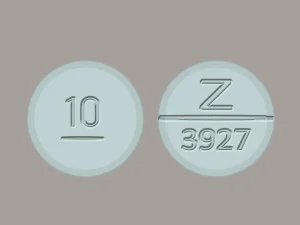
Diazepam 10mg
$310.00Select options This product has multiple variants. The options may be chosen on the product page -

Diazepam 2mg
$307.00Select options This product has multiple variants. The options may be chosen on the product page -
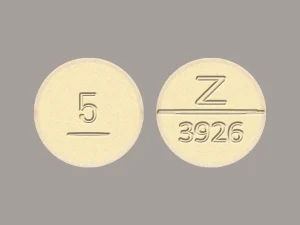
Diazepam 5mg
$309.00Select options This product has multiple variants. The options may be chosen on the product page
About Diazepam: Uses, Effects, Safety, and Important Information
Diazepam is a prescription benzodiazepine medication that may be used for several medical purposes, including the management of certain anxiety disorders, acute alcohol withdrawal symptoms, muscle spasms, and some seizure conditions. It may also be used in specific medical situations when sedation or calming is medically appropriate.
Diazepam works by slowing excessive activity in the central nervous system. Because it can cause sedation, dependence, and serious interactions, it should be used only according to the directions of a qualified healthcare professional.
How Does Diazepam Work?
Diazepam affects gamma-aminobutyric acid, commonly known as GABA. GABA is an important inhibitory neurotransmitter that helps regulate activity within the brain and nervous system.
Diazepam does not replace GABA. Instead, it enhances GABA’s calming effect at specific receptors. This increased inhibitory activity can reduce excessive nerve signaling and produce effects such as relaxation, sedation, reduced anxiety, muscle relaxation, and anticonvulsant activity.
GABA-A Receptor Activity
- Receptor interaction: Diazepam binds to a benzodiazepine site associated with the GABA-A receptor complex.
- Enhancement of GABA: The medication increases the effect of naturally occurring GABA rather than directly replacing it.
- Reduced neuronal activity: Enhanced GABA activity increases inhibitory signaling, making nerve cells less likely to become excessively active.
Potential Therapeutic Effects
Depending on the medical condition and individual treatment plan, Diazepam may produce:
- Anxiety relief: Reduced excessive nervous system activity may help with certain anxiety-related symptoms.
- Sedation: The medication can cause calming and drowsiness.
- Anticonvulsant effects: Diazepam may be used in particular seizure-related situations.
- Muscle relaxation: It can reduce certain types of muscle spasms or excessive muscle activity.
Because individual responses can vary, Diazepam should be used only as prescribed by an appropriately qualified healthcare professional.
Important Warnings and Precautions
Diazepam can cause serious side effects, particularly when it is misused or combined with substances that depress the central nervous system.
Combining Diazepam with opioids, alcohol, or other sedating medications can increase the risk of profound drowsiness, slowed or difficult breathing, coma, and death.
Diazepam may also cause physical dependence. Stopping the medication suddenly after regular use can result in withdrawal symptoms, which may sometimes be serious. A healthcare professional may recommend a gradual dose reduction when discontinuation is appropriate.
Seek urgent medical assistance if a person experiences severe breathing problems, extreme difficulty waking up, loss of consciousness, or other signs of a medical emergency.
Before Taking Diazepam
Diazepam may not be appropriate for every individual. Before beginning treatment, discuss your complete medical history and current medications with a healthcare professional.
Important conditions to discuss include:
- Breathing or lung problems
- Sleep apnea
- Liver or kidney problems
- Myasthenia gravis
- Glaucoma
- A history of seizures
- Depression or significant mood changes
- Previous problems involving substance misuse or dependence
Pregnancy and breastfeeding should also be discussed with a qualified healthcare professional before using Diazepam.
Possible Side Effects of Diazepam
Like other medications, Diazepam can cause side effects. Some effects may be mild, while others require prompt medical attention.
Commonly reported effects may include:
- Drowsiness or tiredness
- Muscle weakness
- Dizziness
- Problems with coordination or balance
- Fatigue
- Unsteadiness
Other possible effects can include:
- Blurred or double vision
- Dry mouth
- Digestive discomfort
- Constipation or diarrhea
- Changes in mood or behavior
Serious Reactions
Contact a healthcare professional promptly if you experience symptoms such as:
- Severe or worsening confusion
- Significant changes in behavior or mood
- Difficulty breathing
- Severe weakness or excessive sedation
- New or worsening seizures
- Signs of an allergic reaction, including swelling, hives, or difficulty breathing
Possible Signs of Overdose
Taking too much Diazepam can be dangerous. Possible overdose symptoms may include:
- Extreme drowsiness
- Severe weakness
- Poor coordination
- Confusion or reduced responsiveness
- Slow or difficult breathing
- Loss of consciousness
If an overdose is suspected, seek emergency medical help immediately.
Physical Characteristics of Diazepam Tablets
The appearance of Diazepam tablets can vary depending on the manufacturer and strength. Tablet color, shape, scoring, and imprint are not identical across all products.
For example, some commonly encountered tablet descriptions may include:
| Strength | Example Imprint | Common Appearance |
|---|---|---|
| 2 mg | Manufacturer-specific | Often white and round |
| 5 mg | TEVA 3926 on certain products | Yellow and round |
| 10 mg | TEVA 3927 on certain products | Blue and round |
Tablet appearance alone should not be used to confirm authenticity or safety. Packaging, manufacturer information, and professional guidance should also be considered.
Components of Diazepam
Active Ingredient
The primary active ingredient is:
- Diazepam
Active Metabolites
After administration, Diazepam is processed by the body and can form active metabolites, including:
- Nordiazepam
- Temazepam
- Oxazepam
Inactive Ingredients
Inactive ingredients can differ between manufacturers and formulations. They may include:
- Lactose
- Microcrystalline cellulose
- Magnesium stearate
- Corn or pregelatinized starch
- Colloidal silicon dioxide
- Sodium starch glycolate
- Calcium stearate
- Coloring agents
Individuals with known allergies or sensitivities should review the specific product information before use.
Dependence and Withdrawal
Diazepam can lead to physical dependence, especially when taken regularly or for an extended period. Dependence is different from addiction, but both are important risks that should be discussed with a healthcare professional.
Stopping Diazepam abruptly after regular use may result in withdrawal symptoms. Depending on the circumstances, these can include:
- Anxiety or agitation
- Sleep difficulties
- Tremors
- Sweating
- Restlessness
- Changes in mood
- In severe cases, seizures
For this reason, Diazepam should not be discontinued suddenly without medical guidance.
Important Drug and Substance Interactions
Diazepam may interact with medications and substances that affect the central nervous system.
Extra caution is necessary with:
- Opioid medications
- Alcohol
- Other benzodiazepines
- Sleeping medications
- Certain sedatives
- Some muscle relaxants
- Other medicines that can cause drowsiness
Always provide your healthcare professional with a complete list of prescription medicines, over-the-counter products, and supplements you use.
Key Takeaway
Diazepam is a benzodiazepine medication with several important medical uses, including treatment in certain anxiety, seizure, muscle-spasm, and alcohol-withdrawal situations. Its effects are linked to increased GABA-mediated inhibition within the central nervous system.
However, Diazepam also carries important risks, including sedation, impaired coordination, dependence, withdrawal, and potentially dangerous interactions with alcohol, opioids, and other central nervous system depressants.
For reliable medication information, Trustmednow.com encourages patients to review product information carefully and follow guidance from a licensed healthcare professional. Diazepam should be used only when medically appropriate and according to the prescribed treatment plan.
Frequently Asked Questions
Can I drive while taking Diazepam?
Diazepam may cause drowsiness, dizziness, slowed reactions, or impaired coordination. Avoid driving, operating machinery, or performing potentially dangerous activities until you know how the medication affects you and have followed professional medical advice.
What are serious side effects of Diazepam?
Serious symptoms can include difficulty breathing, severe sedation, unusual confusion, major behavioral changes, severe allergic reactions, or worsening seizures. Emergency medical attention may be necessary depending on the symptoms.
What should I avoid while using Diazepam?
Avoid alcohol and do not combine Diazepam with opioids or other sedating substances unless specifically directed by a qualified healthcare professional. These combinations can significantly increase the risk of dangerous respiratory depression and excessive sedation.
Can Diazepam cause dependence?
Yes. Regular or prolonged use can lead to physical dependence, and some individuals may also develop problematic patterns of use. The risk can increase with higher doses or longer treatment periods.
Can I stop Diazepam suddenly?
Do not suddenly discontinue Diazepam after regular use without consulting a healthcare professional. Abrupt discontinuation can cause withdrawal symptoms and, in some situations, serious complications.
How long should Diazepam be taken?
The appropriate duration depends on the condition being treated, your medical history, response to therapy, and other factors. A qualified healthcare professional should determine the treatment plan and regularly review whether continued use is appropriate.