Buy Buprenorphine Online
Showing all 4 results
-

Buprenorphine 12mg
$310.00Select options This product has multiple variants. The options may be chosen on the product page -

Buprenorphine 2mg
$309.00Select options This product has multiple variants. The options may be chosen on the product page -
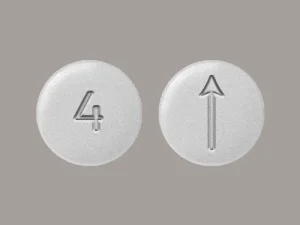
Buprenorphine 4mg
$310.00Select options This product has multiple variants. The options may be chosen on the product page -

Buprenorphine 8mg
$310.00Select options This product has multiple variants. The options may be chosen on the product page
Overview Buprenorphine
Buprenorphine is a prescription medication belonging to the opioid class. It has an important role in both pain management and the treatment of opioid use disorder (OUD). Depending on the formulation, it may be supplied as a transdermal patch, tablet, film, injection, or as a combination product containing buprenorphine and naloxone.
Although buprenorphine can be an effective medicine when appropriately prescribed, it still carries risks. Its use should be based on an individual medical assessment, and patients should follow the instructions provided by their healthcare professional.
At Trustmednow, our goal is to provide clear medication information so readers can better understand prescription treatments, potential risks, and responsible medication use.
What Is Buprenorphine Used For?
Buprenorphine has two major medical applications: managing certain types of pain and supporting treatment for opioid use disorder.
For pain management, certain formulations provide prolonged opioid analgesic activity. For opioid use disorder, buprenorphine can reduce opioid cravings and withdrawal symptoms while helping patients move away from shorter-acting opioids.
Treatment for opioid use disorder is usually provided as part of a broader care plan that may include counseling, behavioral support, and regular medical monitoring.
How Does Buprenorphine Work?
Buprenorphine is a partial opioid agonist. It attaches strongly to opioid receptors in the central nervous system and produces opioid effects, but its activity is more limited than that of full opioid agonists.
This pharmacological profile allows buprenorphine to reduce withdrawal symptoms and cravings in people undergoing treatment for opioid use disorder.
Its strong attachment to opioid receptors can also interfere with the effects of other opioids. For this reason, beginning buprenorphine treatment at the wrong time can sometimes trigger withdrawal.
The appropriate timing and dose should therefore be determined by a qualified healthcare professional.
Buprenorphine for Opioid Use Disorder
When used for opioid use disorder, buprenorphine may help:
- Reduce opioid withdrawal symptoms
- Decrease cravings
- Support recovery and treatment stability
- Reduce the need to use short-acting opioids
- Provide a longer-acting treatment option
Some formulations combine buprenorphine with naloxone. The combination is designed to discourage certain forms of misuse while maintaining the therapeutic effect when taken as directed.
Buprenorphine treatment should be individualized according to a patient’s opioid exposure, health status, treatment history, and response to therapy.
Buprenorphine for Pain
Certain buprenorphine formulations are prescribed for appropriate patients who require opioid-based pain management.
The formulation matters because products intended for pain and products used for opioid use disorder are not necessarily interchangeable. They can have different strengths, routes of administration, and dosing instructions.
Patients should therefore use only the formulation specifically prescribed for them.
Possible Side Effects of Buprenorphine
Buprenorphine can cause side effects, although not everyone experiences them.
Common effects may include:
- Constipation
- Nausea
- Vomiting
- Headache
- Dizziness
- Drowsiness
- Sweating
- Dry mouth
- Fatigue
- Abdominal discomfort
Some symptoms may improve as the body adjusts to treatment. Persistent or troublesome effects should be discussed with a healthcare professional.
Serious Reactions
Buprenorphine can also cause potentially serious complications. Seek immediate medical assistance if there are signs of:
- Severe or slowed breathing
- Extreme sleepiness or inability to remain awake
- Loss of consciousness
- Severe allergic reaction
- Significant confusion
- Severe dizziness or fainting
The risk of dangerous sedation and respiratory depression may increase when buprenorphine is combined with alcohol, benzodiazepines, other opioids, or other central nervous system depressants.
Buprenorphine and Overdose
Although buprenorphine has a different pharmacological profile from full opioid agonists, overdose remains possible.
Risk can increase when the medicine is taken incorrectly, in excessive amounts, or together with other substances that suppress the central nervous system.
Potential overdose warning signs include:
- Very slow or difficult breathing
- Extreme drowsiness
- Inability to wake
- Weakness or limpness
- Loss of consciousness
- Unusual snoring or abnormal breathing sounds
A suspected opioid overdose requires emergency medical attention. Naloxone may be used in opioid overdose emergencies when available and appropriate, but emergency services should still be contacted.
Dosage and Strength
There is no universal buprenorphine dose that applies to every patient.
The appropriate regimen depends on factors such as:
- The reason for treatment
- The particular formulation
- Previous opioid exposure
- Individual medical history
- Liver function
- Other medicines being taken
- Response to treatment
- Presence of withdrawal symptoms or side effects
Buprenorphine products may have different strengths and routes of administration. Never substitute one formulation for another without professional guidance.
Do not increase, decrease, or change the frequency of your medication independently.
Buprenorphine Ingredients
The active ingredient in relevant formulations is buprenorphine, which may be present as buprenorphine hydrochloride or another pharmaceutical form.
Some opioid-use-disorder formulations contain:
- Buprenorphine
- Naloxone
Inactive ingredients vary according to the manufacturer and dosage form. Patients with known allergies should review the product information with a pharmacist or healthcare professional.
Who Should Use Caution With Buprenorphine?
Buprenorphine may require additional evaluation in people with certain medical conditions.
Tell your healthcare professional if you have:
- Breathing difficulties
- Chronic lung disease
- Sleep apnea
- Liver disease
- Head injury
- Seizure disorders
- Low blood pressure
- Gallbladder or pancreatic problems
- A history of substance-use disorders
- Current use of sedating medicines
Pregnant patients should also discuss buprenorphine treatment with their healthcare provider. Medication decisions during pregnancy and breastfeeding should be individualized according to the patient’s circumstances.
Important Drug Interactions
Buprenorphine can interact with medicines and substances that affect the central nervous system or alter how the drug is metabolized.
Particular caution is required with:
- Alcohol
- Benzodiazepines
- Other opioid medicines
- Sleeping medications
- Muscle relaxants
- Certain antidepressants
- Other sedating medicines
Combining buprenorphine with other substances that slow breathing can increase the risk of severe sedation and respiratory depression.
Always provide your healthcare professional with a complete list of prescription medicines, over-the-counter products, supplements, and recreational substances you use.
Driving and Daily Activities
Buprenorphine may cause dizziness, sleepiness, or impaired concentration, particularly when treatment begins or the dose changes.
Avoid driving, operating machinery, or performing potentially dangerous activities until you know how the medication affects you and your healthcare professional confirms that these activities are appropriate.
Dependence and Withdrawal
Physical dependence can occur with opioid medicines, including buprenorphine. Dependence means the body has adapted to the medication and withdrawal symptoms may occur when treatment is stopped suddenly.
Possible withdrawal symptoms include:
- Anxiety
- Restlessness
- Sweating
- Muscle aches
- Sleep problems
- Nausea
- Abdominal discomfort
- Diarrhea
- Irritability
If you have been using buprenorphine regularly, do not stop treatment abruptly unless instructed to do so. Your healthcare professional can determine whether a gradual reduction is appropriate.
Buprenorphine and Methadone
Buprenorphine and methadone are both used in medication-assisted treatment for opioid use disorder, but they work differently.
Buprenorphine is a partial opioid agonist, whereas methadone is a full opioid agonist. Both can be effective when appropriately prescribed and monitored.
The appropriate option depends on factors such as treatment history, opioid exposure, medical conditions, access to treatment, and individual preferences.
A healthcare professional can explain which approach is appropriate for a particular patient.
Key Safety Points
Before starting buprenorphine treatment, remember:
- Use only the formulation prescribed for you.
- Follow the prescribed dosing schedule.
- Never share your medication.
- Avoid alcohol and other sedating substances unless your healthcare professional specifically approves their use.
- Tell your healthcare provider about all medications you take.
- Keep the medicine away from children and anyone for whom it was not prescribed.
- Seek emergency help for severe breathing problems or loss of consciousness.
- Do not stop regular treatment suddenly without professional advice.
The Main Takeaway
Buprenorphine is a clinically important opioid medication with applications in pain management and opioid use disorder treatment. Its partial opioid activity can help control pain, reduce withdrawal symptoms, and decrease opioid cravings in appropriately selected patients.
However, buprenorphine is not risk-free. Sedation, respiratory depression, drug interactions, physical dependence, and misuse are important considerations. Safe treatment requires an individualized medical plan and careful adherence to professional instructions.
Trustmednow encourages readers to discuss buprenorphine with a qualified healthcare professional before starting, changing, or stopping treatment.
Frequently Asked Questions About Buprenorphine
What is buprenorphine primarily used for?
Buprenorphine is used in certain formulations for pain management and in other formulations for the treatment of opioid use disorder. The correct product depends on the patient’s medical needs.
Is buprenorphine an opioid?
Yes. Buprenorphine is an opioid medication, but it is classified as a partial opioid agonist because it activates opioid receptors differently from full opioid agonists.
Can buprenorphine cause addiction?
Buprenorphine can cause physical dependence and has misuse potential. When used appropriately as part of treatment for opioid use disorder, it can nevertheless be an important medication for recovery.
Can buprenorphine be taken with alcohol?
Combining buprenorphine with alcohol can increase sedation and the risk of dangerous breathing problems. Alcohol should generally be avoided unless a healthcare professional specifically advises otherwise.
Can buprenorphine be taken with benzodiazepines?
The combination can increase the risk of profound sedation and respiratory depression. Patients taking benzodiazepines should tell their healthcare provider before beginning buprenorphine rather than changing either medication independently.
Can you overdose on buprenorphine?
Yes. An overdose can occur, particularly when buprenorphine is misused or combined with other substances that suppress breathing. Severe sleepiness, inability to wake, and slowed or difficult breathing require emergency medical attention.
Can buprenorphine be stopped suddenly?
Stopping regular opioid treatment abruptly can result in withdrawal symptoms. Speak with your healthcare professional before making changes to your treatment plan.
Is buprenorphine the same as buprenorphine/naloxone?
No. Buprenorphine/naloxone is a combination formulation containing two active ingredients. The products have different compositions and should be used according to their specific prescribing instructions.
Can buprenorphine affect driving?
Yes. Buprenorphine may cause dizziness, drowsiness, or impaired alertness. Do not drive or operate machinery until you know how the medication affects you and have received appropriate medical guidance.