Buy Concerta Online
Showing all 4 results
-
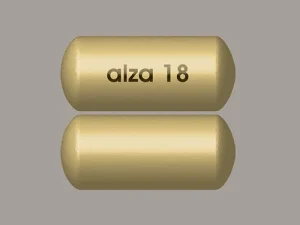
Concerta ER 18mg
$312.00Select options This product has multiple variants. The options may be chosen on the product page -
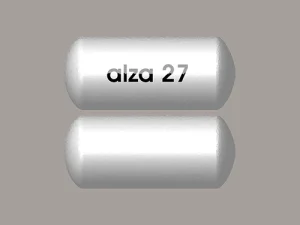
Concerta ER 27mg
$312.00Select options This product has multiple variants. The options may be chosen on the product page -
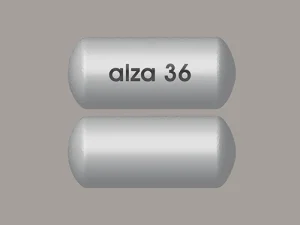
Concerta ER 36mg
$337.00Select options This product has multiple variants. The options may be chosen on the product page -
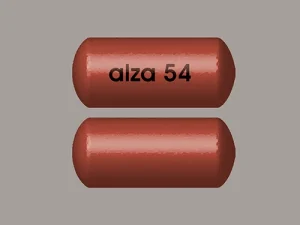
Concerta ER 54mg
$342.00Select options This product has multiple variants. The options may be chosen on the product page
About Concerta
Concerta is a prescription medication used primarily in the treatment of attention-deficit/hyperactivity disorder (ADHD). ADHD can affect concentration, attention, organization, and impulse control, and some people may also experience hyperactive behavior. Concerta contains methylphenidate hydrochloride, a central nervous system stimulant that is formulated to release medication gradually over an extended period.
Concerta is prescribed for certain children, adolescents, and adults with ADHD. Because methylphenidate is a controlled medication with the potential for misuse and dependence, treatment decisions should be made with a qualified healthcare professional.
What Is Concerta?
Concerta is an extended-release formulation of methylphenidate. Unlike immediate-release products that may require multiple doses during the day, Concerta is designed to provide a prolonged release of medication.
Methylphenidate belongs to a group of medicines known as central nervous system stimulants. When used as prescribed, it may help improve attention and reduce certain symptoms associated with ADHD.
Trustmednow.com encourages individuals seeking information about Concerta to understand its approved uses, possible risks, side effects, and important precautions before beginning or changing treatment.
How Does Concerta Work?
Concerta works mainly by affecting dopamine and norepinephrine, two neurotransmitters involved in attention, motivation, and certain aspects of executive function.
Key Features of Its Mechanism
- Dopamine and norepinephrine activity: Methylphenidate blocks the reuptake of these neurotransmitters, increasing their availability between nerve cells.
- Support for attention: Changes in neurotransmitter activity may help improve focus and reduce distractibility in people with ADHD.
- Extended-release delivery: Concerta is formulated to release methylphenidate over time rather than delivering the entire amount immediately.
- Different from amphetamine medications: Although both medication groups are stimulants, methylphenidate and amphetamines have different pharmacological properties.
The exact response to treatment can vary from person to person. A healthcare professional can determine whether Concerta or another ADHD treatment is appropriate.
Important Warnings and Precautions
Concerta is not appropriate for everyone. Before starting treatment, tell your healthcare professional about your medical history and all medicines, supplements, and substances you use.
Stimulant medicines can affect heart rate and blood pressure. In rare situations, serious cardiovascular problems have been reported in people with certain underlying heart conditions.
Seek medical attention for symptoms such as:
- Chest pain or chest discomfort
- Shortness of breath
- Fainting or feeling as though you may faint
- Significant or unusual changes in behavior
- Hallucinations or severe agitation
- Symptoms of a serious allergic reaction
Concerta also carries a risk of misuse, abuse, and dependence. It should be used only by the person for whom it is prescribed and should never be shared with others.
Who Should Discuss Concerta Carefully With a Healthcare Professional?
A healthcare professional should review your medical history before treatment, particularly if you have or have experienced:
- Heart disease or structural heart abnormalities
- High blood pressure
- Glaucoma
- Seizures or epilepsy
- Circulation problems
- Mental health conditions, including psychosis or bipolar disorder
- A history of substance misuse
- Tics or Tourette’s syndrome
- Problems involving the stomach or intestines
Some medicines may interact with methylphenidate. It is especially important to discuss current and recent use of monoamine oxidase inhibitors (MAOIs) and any other prescription or nonprescription medications.
Possible Side Effects of Concerta
Like other prescription medicines, Concerta may cause side effects. Some effects may be mild, while others require medical evaluation.
Common Side Effects May Include
- Headache
- Reduced appetite
- Difficulty sleeping
- Dry mouth
- Nausea or stomach discomfort
- Nervousness or anxiety
- Dizziness
- Increased heart rate
- Increased blood pressure
- Weight loss
Not everyone experiences these effects, and their severity can vary.
Serious Symptoms That Need Medical Attention
Contact a healthcare professional promptly if you experience symptoms such as:
- Chest pain, fainting, or significant breathing difficulty
- Severe mood or behavior changes
- Hallucinations or paranoia
- Pain, numbness, or unusual color changes in the fingers or toes
- Severe allergic symptoms
- Seizures
- Prolonged or unexplained painful erection
Children receiving long-term stimulant treatment may have their height and weight monitored as part of routine medical care.
What Happens in an Overdose?
Taking more Concerta than prescribed can be dangerous. Symptoms of stimulant overdose may include severe agitation, tremors, confusion, rapid heartbeat, sweating, vomiting, seizures, or loss of consciousness.
If an overdose is suspected, seek emergency medical assistance or contact poison control immediately. Do not wait for symptoms to become severe.
Active and Inactive Ingredients
The active ingredient in Concerta is:
- Methylphenidate hydrochloride
Inactive ingredients can vary according to the product formulation and manufacturer. Concerta’s extended-release system contains components used to create and maintain its controlled-release properties.
People with known allergies or sensitivities should review the official product information and discuss concerns with a healthcare professional or pharmacist.
Concerta Strengths and Physical Appearance
Concerta is available in different extended-release strengths. The appearance, imprint, color, and other identifying features may depend on the specific strength and manufacturer.
Because pill appearance can vary, medication should not be identified solely by color or shape. Always check the packaging and prescription label. If you are uncertain about a tablet, consult a pharmacist before taking it.
How Is Concerta Usually Taken?
Concerta should be taken exactly as prescribed. The appropriate dose depends on factors such as age, medical history, previous treatment, response to medication, and side effects.
Important considerations include:
- Follow the prescribed dosing schedule.
- Do not take more than the prescribed amount.
- Do not alter, crush, or misuse an extended-release tablet unless specifically instructed by a healthcare professional.
- Do not share the medication.
- Keep the medication stored securely and away from children or anyone for whom it was not prescribed.
If you miss a dose or have questions about your treatment schedule, contact your healthcare professional or pharmacist for guidance.
Important Considerations During Treatment
Treatment for ADHD often involves more than medication alone. Depending on individual needs, a healthcare professional may recommend behavioral strategies, counseling, educational support, or other approaches alongside medication.
Regular follow-up can help monitor:
- Blood pressure and heart rate
- Appetite and weight
- Sleep patterns
- Mood and behavioral changes
- Treatment effectiveness
- Possible side effects or signs of misuse
Do not suddenly change your dose or stop treatment without discussing it with the healthcare professional managing your care.
Main Takeaway
Concerta is an extended-release prescription medication containing methylphenidate and is used in the treatment of ADHD. By influencing dopamine and norepinephrine activity, it may help improve attention and reduce certain ADHD symptoms when used as part of an appropriate treatment plan.
However, Concerta is a controlled medication and may not be suitable for everyone. Potential side effects, drug interactions, cardiovascular considerations, and the risk of misuse or dependence should all be discussed before treatment.
For reliable medication information, Trustmednow.com recommends following the directions provided by a qualified healthcare professional and obtaining prescription medicines only through legitimate, appropriately licensed sources.
Frequently Asked Questions
What is Concerta used for?
Concerta is a prescription medication used to treat attention-deficit/hyperactivity disorder (ADHD) in appropriate patients. A healthcare professional determines whether it is suitable based on an individual’s age, medical history, symptoms, and treatment needs.
What is the active ingredient in Concerta?
The active ingredient in Concerta is methylphenidate hydrochloride. It is a central nervous system stimulant.
Does Concerta affect the heart?
Concerta can increase heart rate and blood pressure. People with certain heart conditions or cardiovascular risk factors should discuss these issues with their healthcare professional before treatment.
Can alcohol interact with Concerta?
Alcohol and other substances may affect how a medication works or increase certain risks. Ask a healthcare professional or pharmacist about alcohol use and potential interactions with your specific treatment.
Can Concerta cause appetite changes?
Reduced appetite is a commonly reported side effect of stimulant medications. Persistent appetite loss or significant weight changes should be discussed with a healthcare professional.
Can Concerta affect sleep?
Some people may experience difficulty sleeping. The timing of medication and other factors may influence sleep patterns, so ongoing problems should be discussed with the prescribing healthcare professional.
Can Concerta be stopped suddenly?
Do not make changes to your treatment plan without medical advice. A healthcare professional can provide guidance based on your dose, duration of treatment, and individual circumstances.
What should I do if I experience serious side effects?
Seek urgent medical help for severe symptoms such as difficulty breathing, chest pain, fainting, seizures, or signs of a serious allergic reaction. For other concerning symptoms, contact your healthcare professional promptly.