Buy Clonazepam Online
Showing all 3 results
-
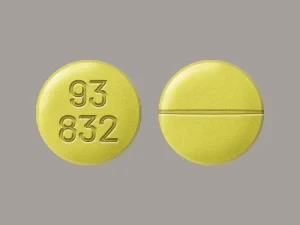
Clonazepam 0.5mg
$311.00Select options This product has multiple variants. The options may be chosen on the product page -

Clonazepam 1mg
$311.00Select options This product has multiple variants. The options may be chosen on the product page -

Clonazepam 2mg
$310.00Select options This product has multiple variants. The options may be chosen on the product page
About Clonazepam – What Is It?
Clonazepam is a prescription medicine that belongs to the benzodiazepine class. Healthcare professionals may prescribe it for certain seizure disorders and, in some cases, panic disorder. It works by affecting activity in the central nervous system and can produce calming, anticonvulsant, and sedative effects.
Because clonazepam can cause dependence and withdrawal, it should be used only as prescribed and under appropriate medical supervision. People seeking information about clonazepam through Trustmednow.com should understand its uses, precautions, possible adverse effects, and safety considerations before using any prescription medicine.
How Does Clonazepam Work?
Clonazepam acts on the brain’s gamma-aminobutyric acid, or GABA, system. GABA is an inhibitory neurotransmitter that helps regulate excessive electrical activity in the nervous system.
The medication enhances the activity of GABA at specific GABA-A receptors. This can reduce excessive neuronal stimulation and contribute to its anticonvulsant and calming effects.
Major Features of Clonazepam’s Mechanism
- GABA-A receptor activity: Clonazepam binds to benzodiazepine receptor sites associated with GABA-A receptors and enhances the effects of naturally occurring GABA.
- Reduced neuronal excitability: Increased inhibitory signaling can help decrease excessive electrical activity in the brain.
- Anticonvulsant effects: By reducing abnormal neuronal activity, clonazepam may help manage certain seizure disorders.
- Effects on anxiety and panic: Its influence on the central nervous system can also produce calming effects that may be useful in certain panic-related conditions.
- Longer duration of action: Clonazepam is generally considered a longer-acting benzodiazepine compared with some other medicines in the same class.
These effects explain why clonazepam must be used carefully and according to the directions provided by a qualified healthcare professional.
Important Warnings and Precautions
Before starting clonazepam, tell your healthcare professional about your complete medical history and all medicines or supplements you use. This includes prescription drugs, over-the-counter products, vitamins, and herbal preparations.
Important topics to discuss include the following:
Mental Health History
Tell your healthcare professional if you have experienced depression, unusual mood changes, suicidal thoughts, or other significant mental health concerns. Antiseizure medicines can be associated with changes in mood or behavior in some people.
History of Substance Misuse
Clonazepam is a controlled substance and may cause misuse, physical dependence, or addiction. The risk may be higher in people with a history of substance or alcohol misuse.
Seizure Conditions
If clonazepam is being used as part of seizure treatment, changes to the medication should be supervised carefully. Suddenly stopping certain antiseizure medicines may increase the risk of withdrawal symptoms or seizures.
Other Medical Conditions
Tell your healthcare professional if you have a history of:
- Liver problems.
- Kidney problems.
- Breathing disorders.
- Lung disease.
- Sleep apnea.
- Porphyria.
- Significant neurological conditions.
Other Medicines and Supplements
Clonazepam can interact with medicines that affect the central nervous system. Combining it with opioids, alcohol, or other sedating substances may increase the risk of profound sedation and dangerously slowed breathing.
Pregnancy and Breastfeeding
Pregnant or breastfeeding individuals should discuss the risks and benefits of clonazepam with their healthcare professional. Exposure to benzodiazepines during pregnancy or near delivery may present risks to the newborn.
Never give clonazepam to another person, even if they have symptoms that appear similar to yours.
Possible Side Effects of Clonazepam
Like all medicines, clonazepam can cause side effects. Some may be mild, while others require prompt medical attention.
Seek emergency medical care for signs of a serious allergic reaction, such as difficulty breathing or swelling of the face, lips, tongue, or throat.
Contact a healthcare professional promptly if you experience:
- New or worsening seizures.
- Severe or unusual changes in mood or behavior.
- Suicidal thoughts or self-harming behavior.
- Very slow, shallow, or difficult breathing.
- Severe confusion.
- Hallucinations.
- Significant problems with coordination or balance.
Common Side Effects
Some commonly reported effects may include:
- Drowsiness.
- Dizziness.
- Tiredness.
- Problems with coordination.
- Difficulty concentrating.
- Memory difficulties.
- Muscle weakness.
Other Possible Effects
Some individuals may also experience:
- Changes in appetite.
- Sleep disturbances.
- Mood changes.
- Slurred speech.
- Difficulty walking steadily.
- Respiratory symptoms.
- Changes in vision.
The frequency and severity of side effects can vary from person to person.
Symptoms of Excessive Sedation or Overdose
Taking more clonazepam than prescribed, especially when combined with alcohol, opioids, or other sedatives, can be dangerous.
Warning signs may include:
- Extreme sleepiness.
- Confusion.
- Slurred speech.
- Poor coordination.
- Unusual weakness.
- Slow or shallow breathing.
- Loss of consciousness.
A suspected overdose requires immediate emergency medical attention.
Active and Inactive Ingredients of Clonazepam
Active Ingredient
- Clonazepam.
Inactive Ingredients
Inactive ingredients can vary depending on the manufacturer and dosage form. Depending on the product, they may include:
- Lactose or another filler.
- Magnesium stearate.
- Microcrystalline cellulose.
- Starch.
- Povidone.
- Color additives.
- Other formulation-specific ingredients.
Orally disintegrating tablets may contain different ingredients, including substances that help the tablet dissolve quickly in the mouth.
People with known allergies or sensitivities should carefully review the product information for the specific manufacturer and formulation being used.
Colors, Imprints, and Tablet Identification
The appearance of clonazepam tablets may vary depending on the manufacturer, dosage strength, and formulation. Differences can include:
| Strength | Possible Color | Possible Shape | Identification |
|---|---|---|---|
| 0.5 mg | May vary | Usually round | Manufacturer-specific imprint |
| 1 mg | May vary | Usually round | Manufacturer-specific imprint |
| 2 mg | May vary | Usually round | Manufacturer-specific imprint |
Tablet color and shape alone should never be used to confirm a medicine’s identity. If you are uncertain about a tablet, consult a pharmacist or use reliable medication-identification resources.
Additional Safety Considerations
Clonazepam can impair alertness, coordination, and reaction time. Do not drive, operate heavy machinery, or perform hazardous activities until you understand how the medicine affects you.
Alcohol and other central nervous system depressants can increase sedation and raise the risk of serious breathing problems. Always discuss other medicines and substances with a healthcare professional.
Do not change your dose or stop clonazepam suddenly without medical guidance. Long-term or regular use can lead to physical dependence, and abrupt discontinuation may cause serious withdrawal symptoms.
Key Takeaway
Clonazepam is a benzodiazepine prescription medicine that may be used for certain seizure disorders and panic disorder. It works by enhancing inhibitory activity in the central nervous system, which can help reduce excessive neuronal activity and produce calming effects.
However, clonazepam also carries important risks, including sedation, impaired coordination, dependence, withdrawal, and potentially dangerous interactions with opioids, alcohol, and other sedating substances.
For visitors seeking medication information through Trustmednow.com, the most important consideration is responsible use: take clonazepam only when prescribed, follow the recommended treatment plan, and discuss any concerns or side effects with a qualified healthcare professional.
Frequently Asked Questions About Clonazepam
What Is Clonazepam Commonly Used For?
Clonazepam may be prescribed for certain types of seizure disorders and for panic disorder in appropriate patients. The exact use depends on the individual’s diagnosis and treatment plan.
Can I Drink Alcohol While Taking Clonazepam?
Alcohol should generally be avoided unless a qualified healthcare professional specifically advises otherwise. Combining alcohol with clonazepam can increase drowsiness, impair coordination, and raise the risk of dangerously slowed breathing.
Can I Drive While Using Clonazepam?
Clonazepam may cause sleepiness, dizziness, slowed reactions, or coordination problems. Avoid driving or operating machinery until you know how the medication affects you.
Can Clonazepam Be Stopped Suddenly?
No medication should be stopped or changed without appropriate medical guidance. Abrupt discontinuation after regular use may lead to withdrawal symptoms and, in some circumstances, serious complications such as seizures. A healthcare professional may recommend a gradual reduction when discontinuation is appropriate.
Can Clonazepam Cause Dependence?
Yes. Clonazepam can cause physical dependence, and misuse can lead to addiction. The risk may increase with higher doses, prolonged use, or use outside prescribed directions.
What Should I Do if I Miss a Dose?
Instructions for a missed dose depend on why clonazepam was prescribed and the individual’s treatment schedule. Do not take extra medicine to make up for a missed dose unless instructed by a healthcare professional or pharmacist.
Medical Disclaimer: This content is for general educational purposes only and does not replace professional medical advice, diagnosis, or treatment. Clonazepam is a prescription controlled medication and should be used only under the direction of a qualified healthcare professional. Follow the official product labeling and seek immediate medical help for serious reactions or suspected overdose.