Buy Butalbital Online
Showing the single result
-
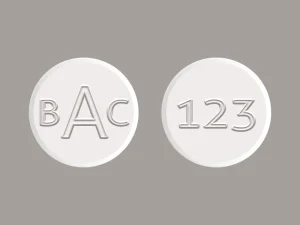
Butalbital 50mg
$310.00Select options This product has multiple variants. The options may be chosen on the product page
Overview Butalbital
What Is Butalbital Used For?
Butalbital is a barbiturate medication that is commonly found in certain combination medicines used for the management of tension-type headaches. Depending on the formulation, it may be combined with acetaminophen and caffeine. One well-known combination containing these ingredients is commonly marketed under the name Fioricet.
Each ingredient has a different role. Butalbital has sedative properties that may help reduce muscle tension and nervous system activity, while acetaminophen provides pain-relieving effects. Caffeine may enhance the pain-relieving action of certain headache medicines.
Butalbital-containing medicines are not appropriate for every type of headache. A healthcare professional can help determine whether a particular medication is suitable for your symptoms and medical history.
Important Things to Know Before Using Butalbital
Before starting any medicine containing Butalbital, it is important to understand its potential benefits, limitations, side effects, and interactions. These medicines can cause dependence and may not be appropriate for frequent or long-term use.
Allergies and Sensitivities
Tell your healthcare professional if you have previously experienced an allergic reaction to Butalbital, acetaminophen, caffeine, or other medicines. It is also useful to discuss known sensitivities to inactive ingredients, including dyes or other substances used in a particular formulation.
Pregnancy and Breastfeeding
If you are pregnant, planning a pregnancy, or breastfeeding, discuss the potential risks and benefits with a qualified healthcare professional before using a Butalbital-containing medicine. Medication exposure can affect both the parent and the baby, and the appropriate treatment decision depends on individual circumstances.
Medicine and Substance Interactions
Butalbital may interact with other medicines or substances.
Important examples include:
- Other central nervous system depressants: Combining sedating medicines can increase drowsiness and impair coordination or breathing.
- Alcohol: Alcohol can increase sedation and may also raise the risk of liver damage when acetaminophen is part of the medication.
- Certain antidepressants or other prescription medicines: Some medicines may alter the effects of Butalbital or increase the possibility of adverse reactions.
Always provide your healthcare professional with a complete list of prescription medicines, over-the-counter products, vitamins, and supplements you use.
When Should Butalbital Be Taken?
The timing and frequency of a Butalbital-containing medicine should follow the instructions provided by the prescribing healthcare professional and the medication label.
Some headache treatments may work best when used according to an individualized treatment plan. However, frequent use of medicines containing Butalbital can contribute to medication-overuse headaches and may increase the risk of dependence.
The medicine may be taken with or without food when permitted by the specific product instructions. If stomach discomfort occurs, a healthcare professional may provide guidance on how to take it safely.
Never increase the amount or frequency of a dose without medical advice.
How Can Butalbital-Containing Tablets Be Identified?
The appearance of a tablet or capsule can vary according to the manufacturer and formulation. Identification may involve details such as:
| Information | Example of What May Vary |
| Strength | Amount of each active ingredient |
| Imprint | Letters, numbers, or manufacturer markings |
| Color | May differ between manufacturers |
| Shape | Round, capsule-shaped, or other forms |
| Product Code | Manufacturer-specific identification information |
Pill appearance alone should not be used as the only method of confirming a medication. If you are unsure about a tablet or capsule, consult a pharmacist or other qualified healthcare professional.
Possible Side Effects of Butalbital
Like other medicines, Butalbital-containing products can cause side effects. The likelihood and severity may vary depending on the dose, formulation, individual health factors, and other medicines being used.
Commonly reported effects may include:
- Drowsiness or tiredness
- Dizziness or light-headedness
- Nausea
- Stomach discomfort
- Sedation
- Difficulty concentrating
- Impaired coordination
Because Butalbital can affect alertness, avoid driving, operating machinery, or performing activities that require quick reactions until you know how the medication affects you.
Serious Reactions
Seek urgent medical attention if serious symptoms occur, such as:
- Difficulty breathing
- Severe allergic reactions or swelling
- Loss of consciousness
- Extreme confusion or unusual behavior
- Severe skin reactions
- Symptoms suggesting possible liver injury, such as yellowing of the skin or eyes
Taking more acetaminophen than recommended can cause severe liver damage. This risk may increase when multiple products containing acetaminophen are used at the same time.
What Should Be Avoided While Taking Butalbital?
Butalbital can increase the effects of other substances that slow the central nervous system. Combining it with alcohol, opioids, benzodiazepines, sleeping medicines, or other sedatives without medical guidance can be dangerous.
Important precautions include:
- Do not take more than the prescribed amount.
- Do not combine multiple sedating medicines unless instructed by a healthcare professional.
- Avoid alcohol while using a medicine when the product information warns against combining the two.
- Do not share prescription medication with another person.
- Store the medicine securely and away from children or anyone for whom it was not prescribed.
Understanding the Ingredients
The exact ingredients depend on the product. A commonly used combination may contain the following active ingredients.
Active Ingredients
Butalbital – A barbiturate with sedative effects that acts on the central nervous system.
Acetaminophen – A pain reliever and fever reducer used in many prescription and nonprescription products.
Caffeine – A stimulant that may be included in some headache formulations.
Inactive Ingredients
Inactive ingredients vary by manufacturer and dosage form. Depending on the product, they may include substances used for tablet structure, stability, coating, or appearance.
Examples can include:
- Magnesium stearate
- Microcrystalline cellulose
- Povidone
- Starch-based ingredients
- Silicon dioxide
- Crospovidone
- Gelatin in some capsule formulations
- Approved color additives
Always check the official product label for the exact ingredients of a specific medicine.
Key Safety Considerations
Butalbital-containing medicines require careful use because repeated or excessive use may lead to physical dependence or medication-overuse headaches.
Dependence and Misuse
Barbiturates can cause physical dependence. Taking higher doses, using the medicine more frequently than directed, or continuing use for extended periods can increase the risk.
Do not suddenly stop a medicine containing Butalbital after prolonged regular use without medical guidance. A healthcare professional can determine whether a gradual reduction is necessary.
Acetaminophen Safety
If your medication contains acetaminophen, check the labels of all other medicines you take. Many cold, flu, and pain-relief products also contain acetaminophen.
Taking multiple acetaminophen-containing products can unintentionally increase the total daily amount and raise the risk of liver damage.
Caffeine Considerations
Products containing caffeine may contribute to nervousness, restlessness, or difficulty sleeping in sensitive individuals. Additional caffeine from coffee, energy drinks, or other sources may also affect how you feel.
Who May Need Extra Medical Guidance?
A healthcare professional should carefully evaluate Butalbital-containing medicines in people with certain medical conditions or risk factors.
Additional caution may be necessary for individuals with:
- A history of substance-use problems
- Liver disease
- Breathing disorders
- A history of severe medication allergies
- Conditions that affect alertness or coordination
- Use of other sedating medicines
Older adults may also be more sensitive to certain medication effects, including dizziness and impaired coordination.
The Main Takeaway
Butalbital is commonly included in combination medicines used for certain tension-related headaches. Depending on the product, it may be combined with acetaminophen, caffeine, or other ingredients.
Although these medicines may be useful in specific situations, they also carry important risks, including drowsiness, medicine interactions, dependence, and medication-overuse headaches. They should be used only as directed by a qualified healthcare professional.
At Trustmednow.com, medication information should be reviewed carefully alongside official product labeling and professional medical guidance. Always confirm that a medicine is appropriate for your individual health needs before starting or changing treatment.
Frequently Asked Questions
What is Butalbital commonly used for?
Butalbital is commonly found in combination medicines used for certain tension-type headaches. The exact use depends on the specific formulation and a healthcare professional’s assessment.
How does Butalbital work?
Butalbital is a barbiturate that depresses activity in the central nervous system. In combination headache medicines, it may contribute to the overall therapeutic effect, although the exact role of each ingredient can vary.
What forms are available?
Butalbital is commonly available as part of combination prescription products in tablet or capsule form. Available formulations and strengths depend on the manufacturer and region.
Can Butalbital cause dependence?
Yes. Butalbital-containing medicines can cause physical dependence, particularly when used frequently or for prolonged periods. Use only as directed and discuss any concerns about long-term use with a healthcare professional.
What happens if a dose is missed?
Follow the instructions provided for your specific prescription. Do not take an extra dose to compensate for a missed one unless a qualified healthcare professional specifically instructs you to do so.
Can I drive after taking Butalbital?
Butalbital may cause drowsiness, dizziness, and reduced coordination. Avoid driving or operating machinery until you know how the medication affects you.
What should I do if I experience a serious reaction?
Seek emergency medical attention for serious symptoms such as difficulty breathing, severe allergic reactions, loss of consciousness, or other severe or rapidly worsening symptoms.